Home · Services · Flood Cleanup
Flood Cleanup in Punta Gorda, FL
Quick answer
Surge and street water cleanup from the harbor side, entry lines read room by room against the storm's date.
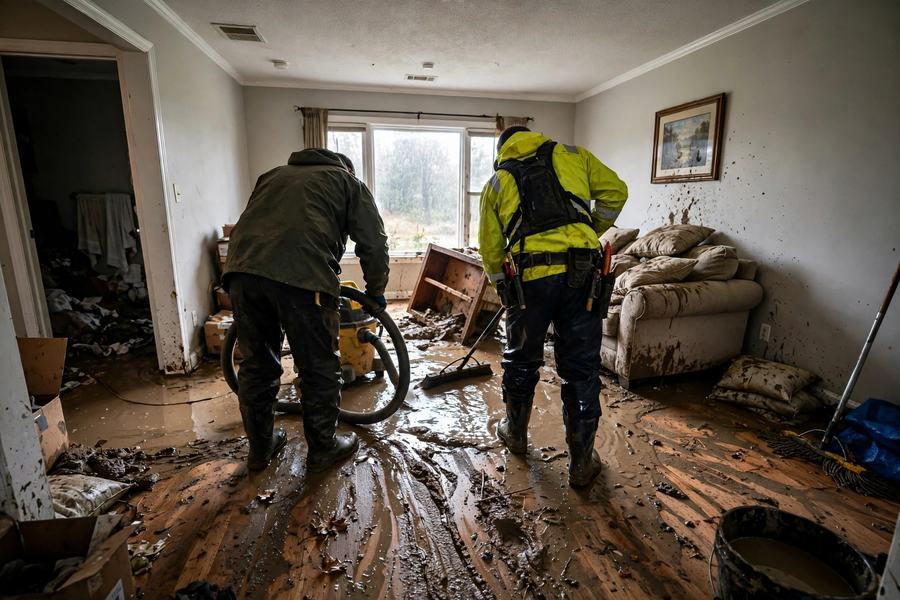
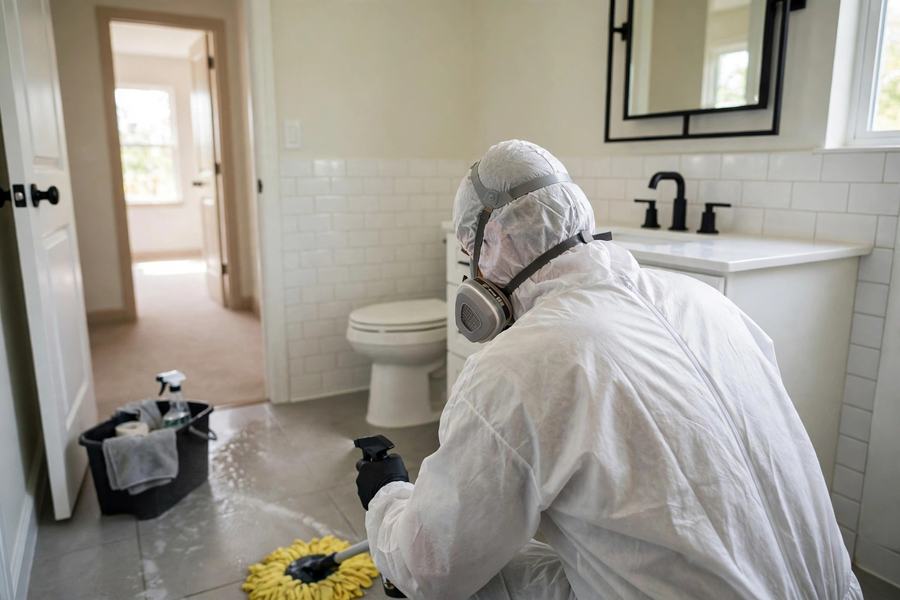
Flood cleanup here means harbor water: storm surge and wind driven rain from Charlotte Harbor, canal water over seawalls, and street flooding in the low historic district. Water that crossed pavement, seawalls, and yards is treated as contaminated until an assessment says otherwise. The cleanup reads entry lines room by room and keeps metering the wall base after visible water leaves, because slab homes on a high water table hold moisture at the floor edge long after a room looks dry.
Signs you need flood cleanup
- Mud, silt, or debris lines inside the home after water recedes
- A sewage or chemical smell in flood-affected rooms
- Saturated belongings, flooring, and lower drywall
- Floodwater reached wall outlets or the furnace/AC air handler
What the job involves
What affects the price
- Depth the water reached (drywall cuts are priced by height and linear feet)
- Number of rooms and amount of debris/silt
- Whether HVAC, electrical, or appliances were submerged (separate trades may be needed)
- Days of drying equipment
When it is an emergency
Floodwater is contaminated water: do not wade in it without protection, do not run a furnace that was submerged, and do not wait for it to 'dry on its own' - framing stays wet long after surfaces feel dry.
PLACEHOLDERFlood Cleanup across the Punta Gorda area
Related services
Water Damage Restoration
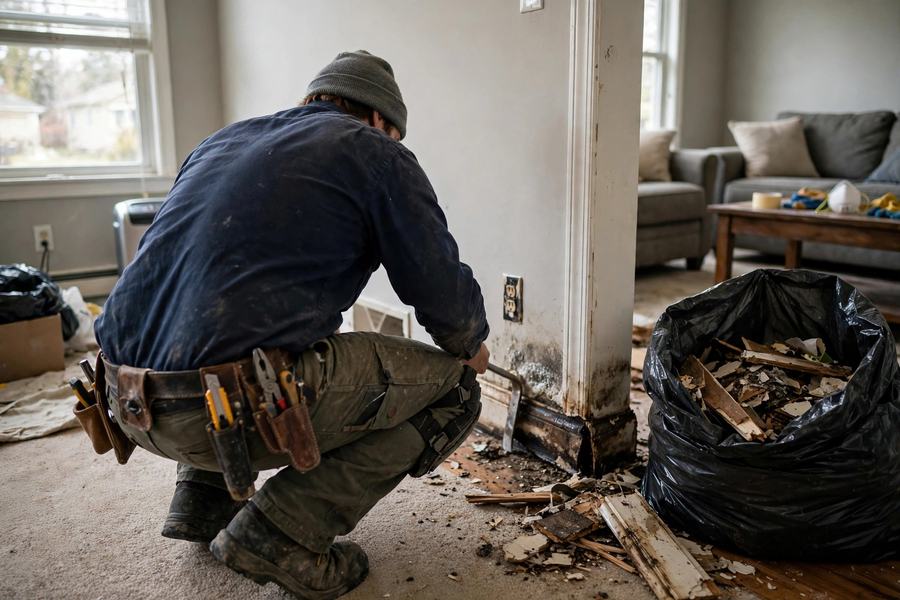
Cleanup and drying for canal slab homes, sorted first by which water it is: line, tank, or harbor, because each documents differently.
Emergency Water Removal
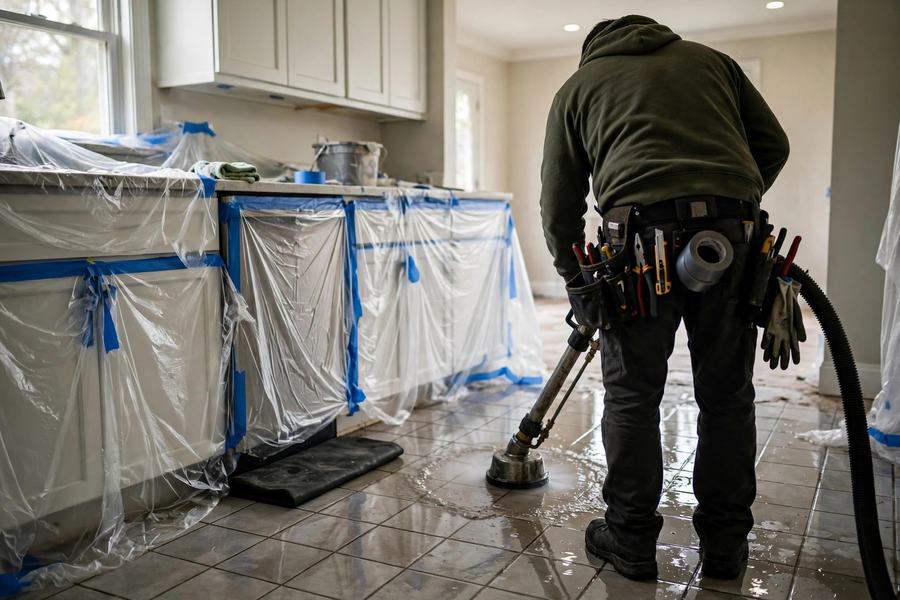
Extraction that photographs the waterline before it pumps, on ground that stays saturated for days after a storm.
Burst Pipe Water Cleanup
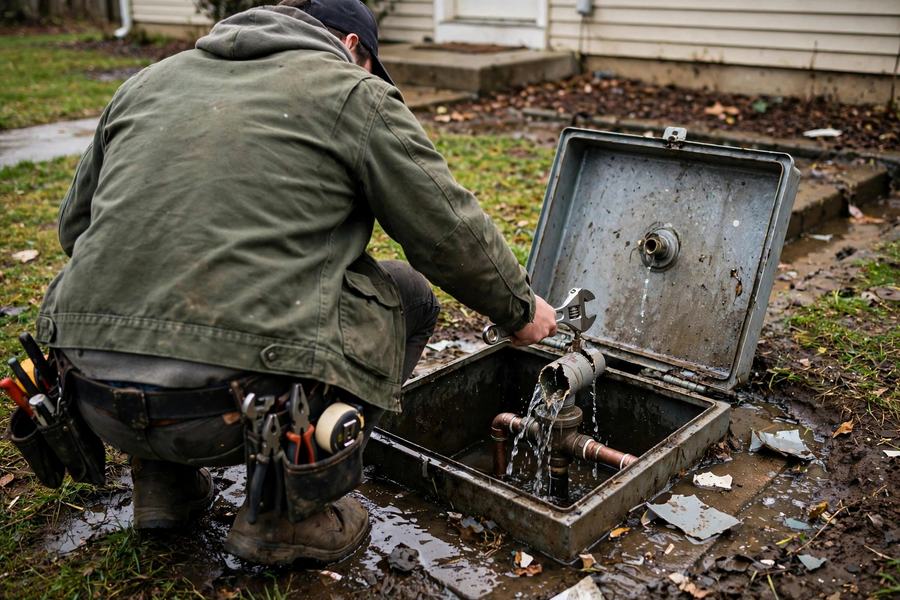
Cleanup after slab and attic line failures, including the seasonal version that ran for weeks in an empty house.
Sewage Backup Cleanup
Category 3 cleanup with the septic field in the diagnosis on the older and eastern routes, where wet season ground loads the lowest fixtures.
Flood Cleanup questions, answered
When is flood cleanup an emergency?
Floodwater is contaminated water: do not wade in it without protection, do not run a furnace that was submerged, and do not wait for it to 'dry on its own' - framing stays wet long after surfaces feel dry.
What affects the price of flood cleanup in Punta Gorda?
The main price factors for flood cleanup are covered in the cost section above. The contractor confirms the exact price in a written estimate after seeing the job, and nothing is owed until you approve it. The call and the referral are free.
Do you work with my insurance company?
The contractor we connect you with documents the loss with photos and moisture logs in the format adjusters use, and most bill insurers directly on covered claims. You stay in control: no work beyond the emergency mitigation happens without your written approval.
What should I do first when I find water in my home?
Stop the source if you safely can (main shutoff, appliance valve), keep clear of water near outlets or panels, move what you can off wet floors, and take a few phone photos before anything is moved - insurers love timestamps. Then call, and extraction can start while the paperwork catches up.
Our Punta Gorda home is empty for the summer. How would we even know about a leak?
Usually three witnesses report it: the city's water bill, which spikes when a line runs into a slab for weeks; a neighbor or home watch service that sees a wet driveway edge or hears a running toilet; and the house itself on opening day, musty and soft floored. The prevention is mechanical and cheap by comparison: shut the water at the main when the house closes, run a monitored water alarm at the heater, and keep a local key holder who walks the house monthly. When a leak is found late, the cleanup is priced from the timeline those witnesses establish, which is one more reason the bills are evidence.
Request a callback
Prefer to talk later? Leave your details and an independent local pro will call you back. No charge to you, no obligation.
Alligator Creek Restoration is a free referral service. Submitting this form connects you with independent local contractors who provide the work.